
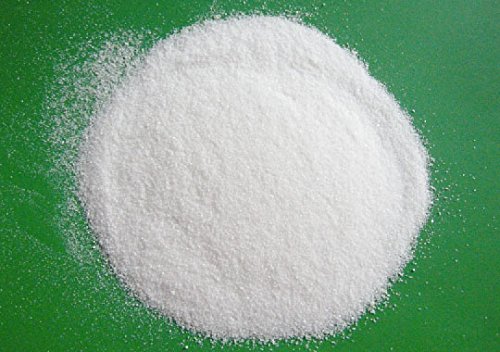
 In semiconductor manufacturing, maintaining extremely clean wafer surfaces is essential for producing reliable and high-performance microelectronic devices. Even microscopic contaminants can interfere with circuit patterns measured in nanometers. As a result, specialized chemicals are used throughout fabrication to remove residues and metal ions. One such compound used in certain cleaning formulations is ammonium tartrate, a water-soluble salt that serves as an effective complexing and cleaning agent.
Chemical Properties and Function
Ammonium tartrate is derived from tartaric acid and ammonia, forming a highly soluble salt that dissolves easily in water. In semiconductor cleaning processes, it is valued for its chelating ability, meaning it can bind with metal ions and help remove them from wafer surfaces. This property is particularly useful when eliminating trace metal contamination that may remain after etching, deposition, or polishing steps.
Because of its mild chemical nature, ammonium tartrate can be incorporated into cleaning solutions designed to remove contaminants without damaging delicate semiconductor structures or thin films.
Role in Metal Ion Removal
Trace metals such as copper, iron, or aluminum can negatively affect semiconductor device performance if they remain on the wafer surface. Ammonium tartrate helps address this issue by forming stable complexes with these ions, allowing them to be rinsed away during the cleaning process. This capability makes it valuable in post-process cleaning steps, where removing residual metallic impurities is critical.
Compatibility with Advanced Materials
As semiconductor devices become smaller and more complex, cleaning chemicals must remove contamination while remaining compatible with advanced materials and sensitive device architectures. Ammonium tartrate’s relatively gentle chemistry allows it to function effectively in solutions designed for precision cleaning without aggressive etching, making it suitable for certain specialized applications in microelectronics processing.
High-Purity Requirements
Like other chemicals used in semiconductor fabrication, ammonium tartrate must be produced in ultra-high-purity grades. Impurities in cleaning chemicals can introduce the very contamination the process aims to eliminate. Semiconductor-grade chemicals are therefore manufactured under strict quality control standards and often filtered to extremely low impurity levels.
Supporting Reliable Semiconductor Production
Although it is not one of the most widely known semiconductor chemicals, ammonium tartrate plays an important supporting role in specialized cleaning formulations. By helping remove trace metals and contaminants, it contributes to maintaining the pristine wafer surfaces required for modern semiconductor manufacturing, ultimately supporting higher device yields and improved chip reliability.
Showa America supplies high-purity EL Ammonium Tartrate Dibasic (25%) with extremely low trace metal. Please contact us for more information.